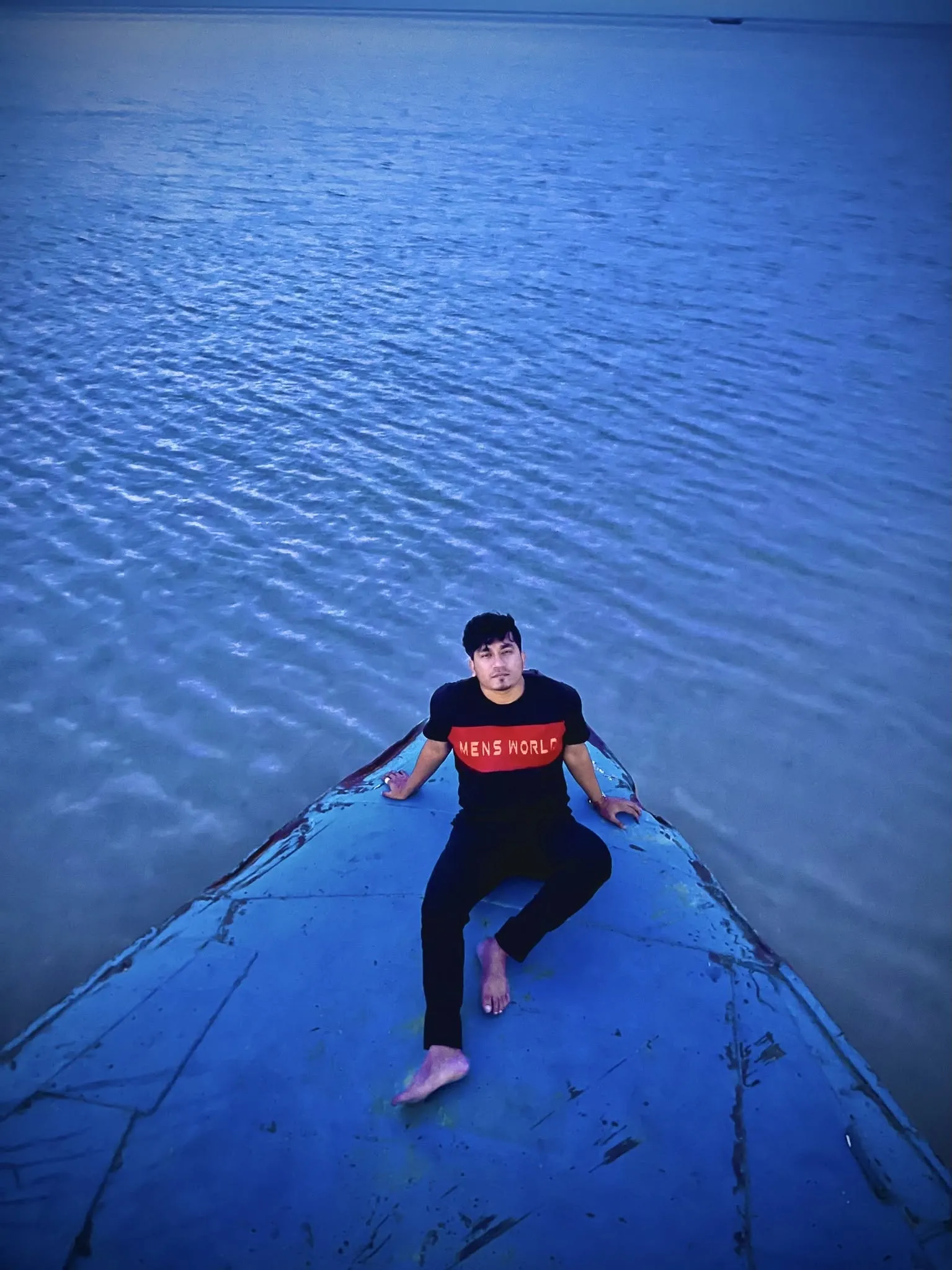
There is a moment on the way into Tanguar Haor when the engine cuts and you notice
how quiet it has become. No traffic. No notifications, because there is barely any
signal. Just water in every direction and the Meghalaya hills sitting low on the
horizon, close enough to look like you could row to them.
That silence is most of why I go.
Getting there
Tanguar Haor sits in Sunamganj, in the northeast of Bangladesh, close to the
Indian border. It is the country’s second-largest wetland, a vast seasonal
floodplain that swells across an enormous area in the monsoon and shrinks back to
channels and villages in the dry months.
Getting there is a proper journey. Dhaka to Sunamganj takes most of a day, then
you find a boat at Tahirpur and the rest happens on the water. There is no version
of this trip where you arrive quickly, and I have come to think that is a feature.
Two days on the water
We took a boat for a couple of days and slept on it. The rhythm is simple: move,
stop, swim, eat, move again. Someone cooks. Nobody is in a hurry.
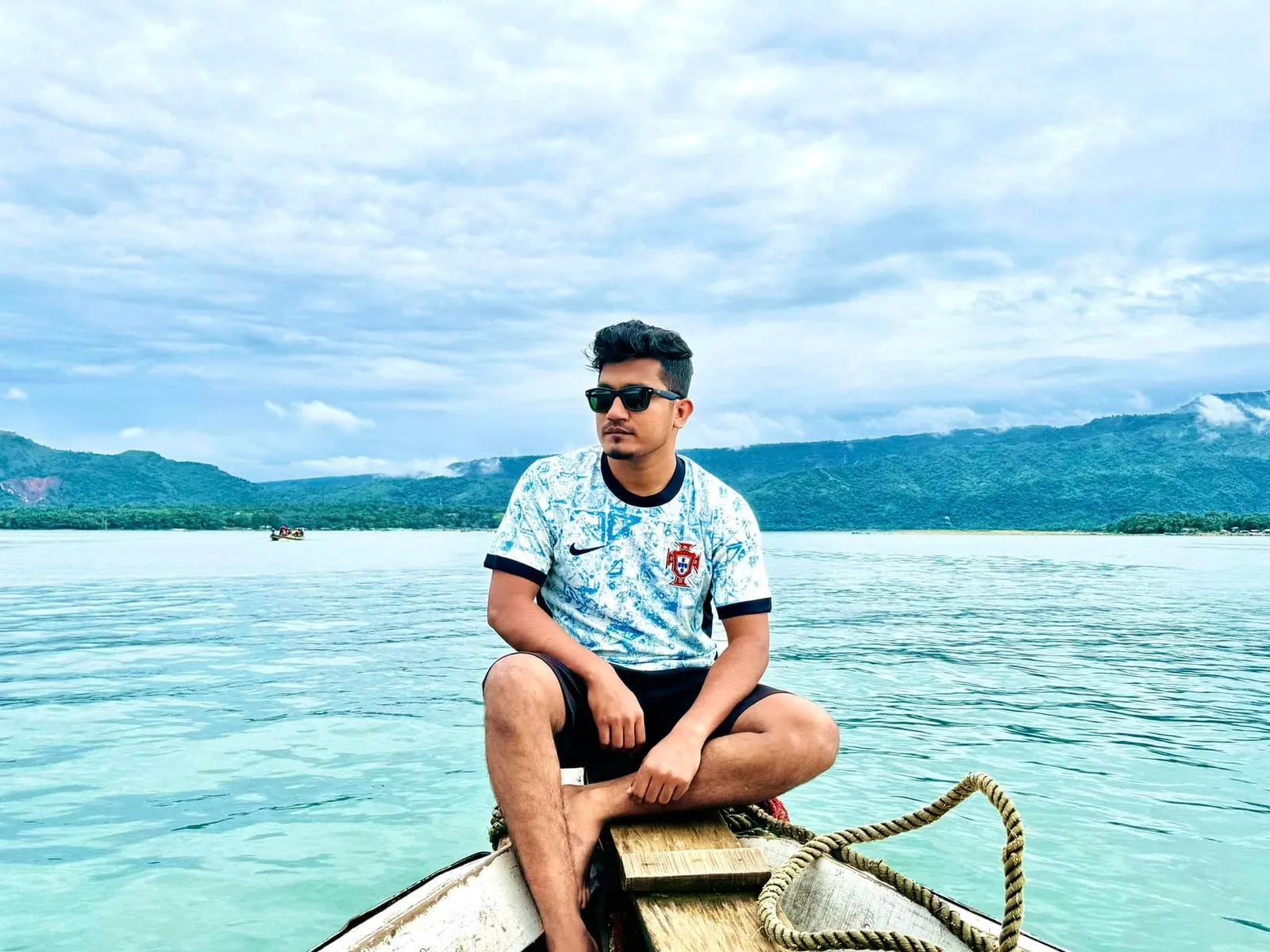
The water surprised me most. In places it runs a clear blue-green you would not
expect from a floodplain, especially where it sits shallow over pale stone near
the hills. Elsewhere it is dark and still and enormous, and you lose any sense of
which direction you came from.
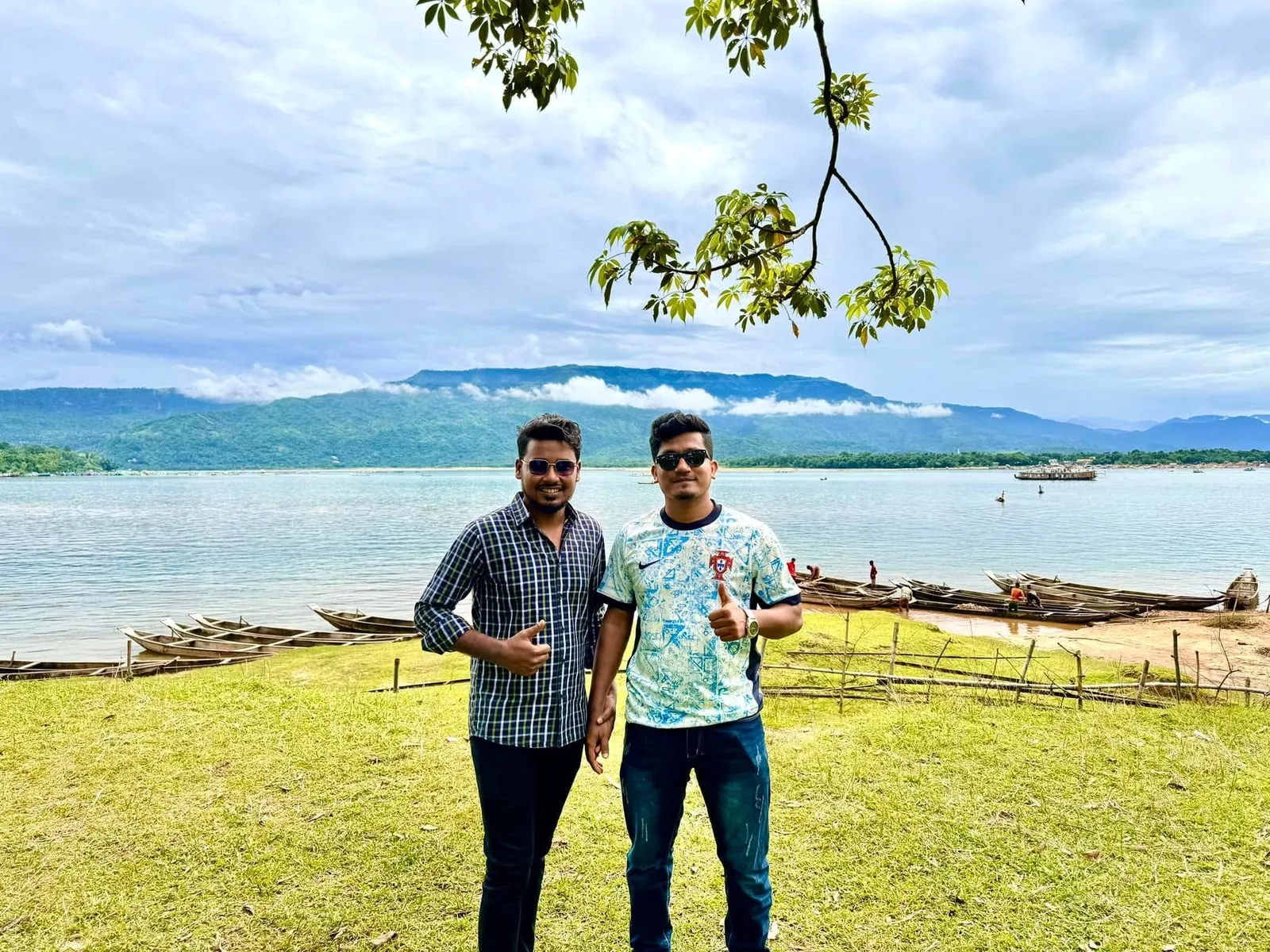
Evenings are the part I would go back for. The light drops, the hills go from green
to grey to a flat silhouette, and the boat’s lamps come on. Sound carries strangely
across open water, you hear other boats long before you see them.
Why a trip like this matters to how I work
I run a business that lives entirely online. Websites, email systems, ad accounts.
All of it can, in principle, demand attention at any hour, and for a while it did.
Tanguar Haor has almost no mobile signal. The first few hours of that were
uncomfortable in a way I did not enjoy admitting. By the second day it had become
the point.
What I took from it was practical, not philosophical: if the work cannot survive
two days of me being unreachable, the work is built wrong. That is genuinely why I
build what I build, sites that get found while you sleep, email flows that sell
while you are at dinner. A business should fund a life, not consume it. It is
easy to say that in a sales page. It is more convincing when you have tested it by
disappearing onto a boat.
If you go
- Go in the monsoon or just after: roughly June to October, when the haor is
full. Outside that window it is a different, much smaller place.
- Sleep on the boat. The evenings are the best part and you will miss them
from a guesthouse.
- Take cash and a power bank. Signal is poor, and so is everything that
depends on it.
- Hire a local boatman and listen to them. Water levels and weather change the
route, and they know both far better than any itinerary you brought.
I have travelled to a few places since, the hills of Meghalaya, the roads of
Saudi Arabia, and Tanguar Haor is still the one I describe first when people ask.